
Our Blog
Signs You Need to Replace Your Carpet Flooring
Carpet flooring can add comfort and warmth to your home, but over time, it may show signs of wear and tear that indicate the need for replacement. Knowing when it’s time to replace your carpet can help you maintain a clean, healthy, and visually appealing living space.

Signs It’s Time to Install New Carpet Flooring
Let’s explore the signs that suggest it’s time to upgrade your carpet flooring. If you need help, don’t hesitate to hire a carpet installation Des Moines professional
Wear and Tear
One of the most obvious signs that you need to replace your carpet is visible wear and tear. This includes fraying edges, bald spots, and areas where the carpet fibers are worn down. Heavy foot traffic, furniture movement, and pet activity can contribute to these signs of wear over time. If your carpet looks worn out and no longer provides a plush and inviting appearance, it may be time for a replacement.
Stains and Odors
Persistent stains and unpleasant odors can be challenging to remove from carpet fibers, especially if they have penetrated deep into the padding or subfloor. Common culprits of stains and odors include spills, pet accidents, and mold or mildew growth. Despite thorough cleaning efforts, if stains and odors persist and affect the cleanliness and air quality of your home, replacing the carpet may be the best solution.
Allergies and Respiratory Issues
Old carpeting can harbor allergens such as dust mites, pet dander, pollen, and mold spores, which can trigger allergies and respiratory issues in sensitive individuals. If you notice an increase in allergy symptoms, asthma attacks, or respiratory discomfort while indoors, it could be a sign that your carpet needs replacing. Upgrading to newer carpeting with allergy-resistant materials can help improve indoor air quality and reduce allergy triggers.
Matting and Flattening
High-traffic areas of carpeting may experience matting and flattening of the fibers, resulting in a worn and unappealing appearance. This is especially common in hallways, entryways, and frequently used rooms. Even with regular vacuuming and maintenance, matting and flattening can make your carpet look tired and outdated. Consider replacing these areas with new carpeting or switching to more resilient flooring options like hardwood or laminate.
Age of the Carpet
The age of your carpet can also be a determining factor in whether it’s time for a replacement. Most carpets have a lifespan of 5 to 15 years, depending on factors such as quality, maintenance, and usage. If your carpet is nearing or exceeding its expected lifespan, it may show signs of wear and decline that warrant replacement. Investing in new carpeting can refresh your home’s appearance and provide long-lasting comfort and style.
Conclusion: Signs It’s Time to Install New Carpet Flooring
Recognizing the signs that indicate the need to replace your carpet flooring is essential for maintaining a comfortable and visually appealing home environment. From visible wear and tear, stains, and odors to allergy triggers, matting, flattening, and the age of the carpet, several factors can signal that it’s time to install new carpet.
10 Ways to Entertain Your Guests on Your Special Day
Entertaining guests is a crucial aspect of any celebration, especially on a day as significant as a wedding or a milestone party.

10 Ways to Entertain Your Guests on Your Special Day
Here are ten innovative Richmond entertainment ways to ensure your guests are entertained and enjoy every moment of your special day.
- Live Music or DJ
Music sets the tone for any event. Hiring a live band or DJ to play a mix of genres and favorites can cater to all ages and preferences, creating a lively and enjoyable atmosphere.
- Photo Booths
A photo booth with fun props and backdrops offers guests a playful way to capture memories. It’s not only entertaining but also provides personalized souvenirs from the event.
- Interactive Food Stations
Food can be an entertainment element in itself. Interactive stations like build-your-own taco bars, sushi rolling, or live cooking demonstrations add an engaging and delicious twist to the dining experience.
- Performers
Adding performers such as magicians, dancers, or acrobats can bring an element of surprise and delight, captivating guests with their skills and artistry.
- Games and Competitions
Organize games or competitions that align with the theme of the event. From trivia quizzes about the couple or guest of honor to outdoor lawn games, these activities can foster interaction and laughter.
- Themed Workshops
Offering workshops or classes, like cocktail making, dance lessons, or crafting, can provide a unique and memorable experience for guests, allowing them to learn something new and have fun simultaneously.
- Guest Performances
Encourage talented guests to perform or share a skill, creating a sense of community and personal connection. This could include singing, playing an instrument, or storytelling.
- Memory Lane
Create a walk-through exhibit of photographs, mementos, or video montages showcasing the journey leading up to your special day. This can be a touching and engaging way for guests to connect with your story.
- Lounge Areas
Set up comfortable lounge areas with seating and ambient lighting where guests can relax, chat, and enjoy a quieter moment away from the main festivities.
- Fireworks or Lantern Release
Ending the night with fireworks display or a lantern release can offer a breathtaking experience, creating a lasting impression and a sense of wonder for your guests.
Conclusion: 10 Ways to Entertain Your Guests on Your Special Day
Entertaining guests on your special day is about creating a vibrant, engaging, and memorable experience that reflects your personality and event theme. By incorporating a variety of entertainment options, from music and performances to interactive stations and personal touches, you can ensure that your guests are not only entertained but also feel an integral part of the celebration. The key is to balance the traditional elements of your event with unique and personalized activities that will leave your guests talking about your special day for years to come.
To achieve this, carefully curate each element to align with the overall ambiance and energy you wish to convey, ensuring that every aspect of entertainment resonates with your vision and enhances the guest experience. Additionally, consider the pacing of the event to maintain a dynamic flow, keeping the atmosphere lively and engaging from start to finish, and making your special day a truly unforgettable occasion for everyone involved.
Can CBD Gummies Get You High?
CBD gummies have become a popular choice for individuals seeking the potential benefits of cannabidiol in a convenient and delicious form. However, there is often confusion surrounding whether CBD gummies can get you high like their THC-containing counterparts.

Can CBD Gummies Get You High?
In this article, we’ll delve into this common question and provide clarity on the effects of CBD gummies and THC gummies.
What are CBD Gummies?
CBD gummies are chewy, edible treats infused with cannabidiol (CBD) extracted from hemp plants. They are a popular and convenient way to consume CBD, offering a tasty alternative to oils, capsules, or vaping. CBD gummies come in various shapes, sizes, flavors, and CBD concentrations, making them suitable for different preferences and needs. These gummies typically contain a mix of CBD extract, sweeteners, flavorings, and gelatin or vegan alternatives to create a pleasant and enjoyable experience for users.
Understanding CBD and THC
Before we address the question of whether CBD gummies can cause a high, it’s essential to understand the differences between CBD (cannabidiol) and THC (tetrahydrocannabinol). These are two of the most well-known compounds found in cannabis plants. THC is the psychoactive component responsible for the “high” associated with marijuana use, while CBD is non-psychoactive and does not produce intoxicating effects.
Non-Psychoactive Nature of CBD
One of the key distinctions between CBD and THC is their impact on the mind and body. CBD does not have psychoactive properties, meaning it does not alter consciousness, induce euphoria, or create a “high” sensation. This quality makes CBD an attractive option for individuals seeking potential therapeutic benefits without the intoxicating effects commonly associated with THC.
Legal Considerations and THC Content
The legal status of CBD products also plays a role in whether CBD gummies can get you high. In many places, CBD products derived from hemp plants with less than 0.3% THC are legal and widely available. These products undergo extraction processes to isolate CBD while minimizing THC content, ensuring compliance with legal regulations and safety standards.
Entourage Effect and Trace THC
While CBD itself is non-intoxicating, some CBD products, including full-spectrum and broad-spectrum formulations, may contain trace amounts of THC. These amounts are typically well below the threshold to produce psychoactive effects or a high. However, the entourage effect, which suggests that cannabinoids and other compounds in cannabis may have enhanced effects when used together, is a consideration for those sensitive to THC.
Effects of CBD Gummies
When it comes to CBD gummies specifically, it’s important to note that they are formulated to contain primarily CBD with minimal or no THC. As a result, consuming CBD gummies should not lead to psychoactive effects or a high. Instead, users may experience potential benefits such as relaxation, stress relief, improved sleep, and mood enhancement without impairment.
Conclusion: Can CBD Gummies Get You High?
CBD gummies are unlikely to get you high due to the non-psychoactive nature of CBD and the minimal THC content in reputable products. These chewy treats offer a convenient and enjoyable way to incorporate CBD into your wellness routine, providing potential benefits without the intoxicating effects associated with THC.
How Medical Beauty Treatments Can Benefit Your Skin
Medical beauty treatments, also known as aesthetic treatments, have become increasingly popular as people look for more effective ways to address common skin concerns.?
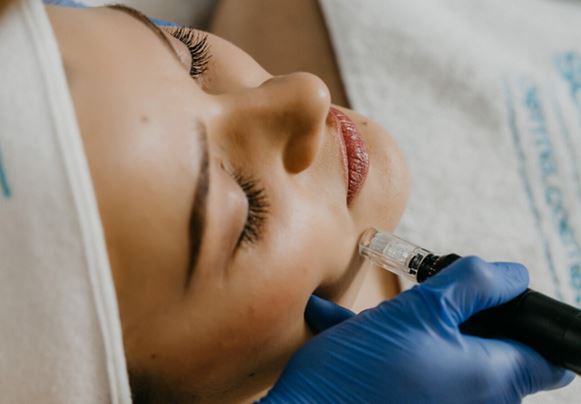
These treatments are designed to go beyond traditional skincare methods, offering targeted solutions for wrinkles, acne, and pigmentation issues.?
This article will explore how medical beauty treatments can benefit your skin.?
Whether you’re looking to rejuvenate your skin or tackle specific concerns, a?medical beauty treatment?can provide effective, long-lasting results that leave you looking and feeling your best.
Remove Toxins
Beauty treatments are no longer just about looking good on the surface; people can now use them to take an inside-out approach to health and wellness.?
With a medical beauty treatment, they can remove toxins from the body in a safe, non-invasive way. In this type of therapy, specific body areas are targeted with specially designed waves that interact with cell membranes and cause toxins to shake loose.?
During the process, these toxins are eliminated through sweat and body fluids – leaving you feeling revitalized and rejuvenated.?
Medical beauty treatments can be tailored to your individual needs, so speaking to a specialist before trying any therapy for yourself is essential.
Improve Circulation
Medical beauty treatments can help improve circulation by stimulating blood flow to the skin’s surface. For example, micro-needling treatments use tiny needles to create micro-injuries in the skin, which triggers the body’s natural healing response and increases blood flow to the treated area.?
This boost in circulation can help deliver vital nutrients and oxygen to the skin cells, improving their overall health and function.?
Similarly, facial massages and lymphatic drainage treatments can help improve circulation by stimulating the lymphatic system, which helps to remove waste and toxins from the body.
By improving circulation, medical beauty treatments can help improve the appearance of your skin and promote a healthy, radiant glow.
Increase Collagen
Beauty treatments that involve medical professionals may often seem intimidating, but many treatments can help to improve your complexion without being dangerous.?
Collagen is integral to the skin’s texture and elasticity, so a medical beauty treatment can efficiently restore collagen levels. These treatments usually involve exfoliating the face, which removes dead skin cells, along with specialized serums designed to improve skin health.?
A dermatologist administering these treatments may even provide more profound results than those available at day spas or salons.
Address Skin Conditions
Medical beauty treatments can address many skin conditions, from acne and rosacea to hyperpigmentation and fine lines.?
These treatments typically use advanced technology and medical-grade products to penetrate the deeper layers of the skin and target the root cause of the problem. For example, chemical peels can help reduce the appearance of acne by removing dead skin cells and unclogging pores. In contrast, laser treatments can help reduce the redness and inflammation of rosacea.?
Similarly, microdermabrasion and dermaplaning can help improve the texture and tone of the skin by removing dead skin cells and promoting cell turnover.?
By addressing skin conditions at the source, medical beauty treatments can provide effective, long-lasting results that leave you with a clear, radiant complexion.

Recent Comments